Sprekelia formosissima
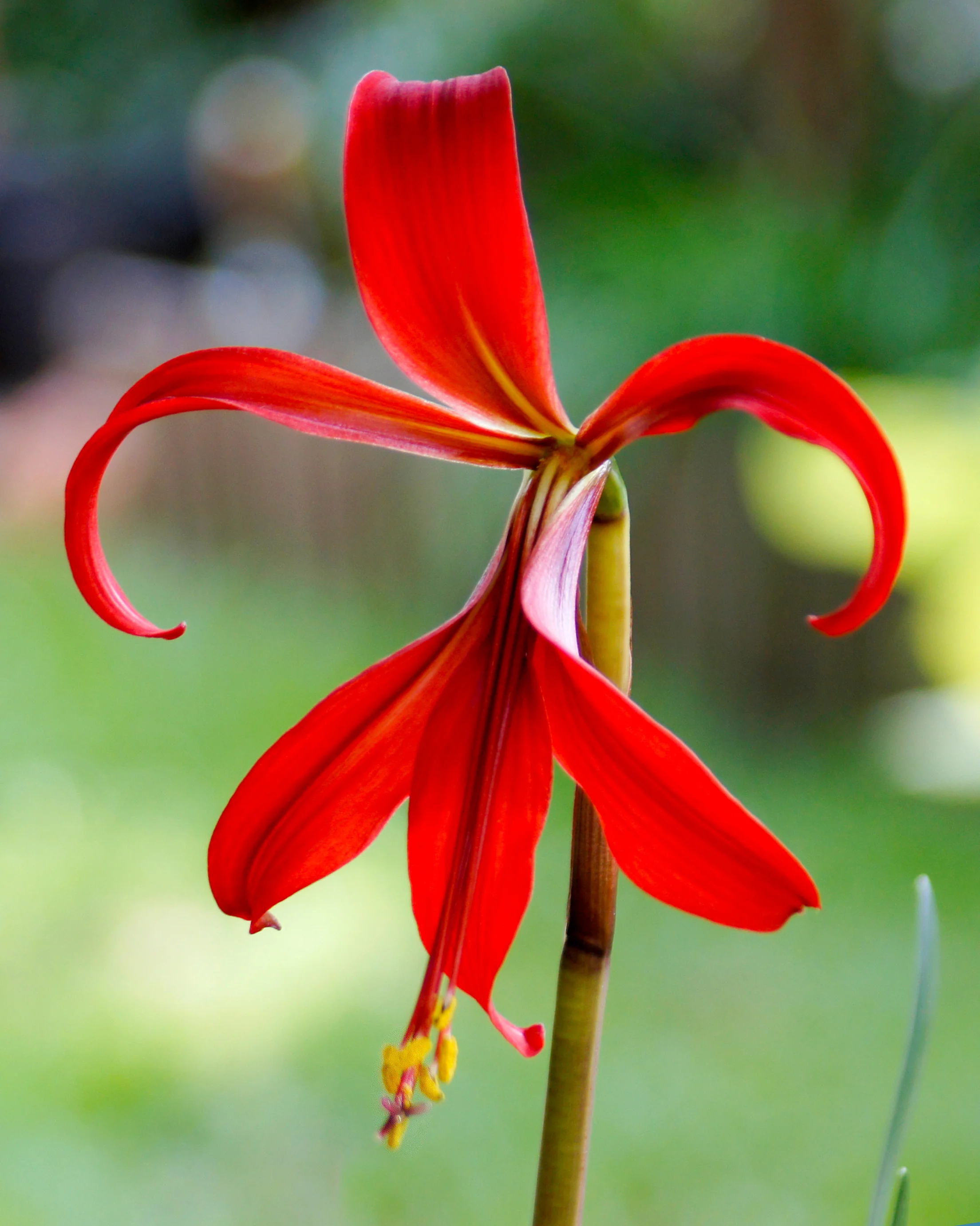
Sprekelia formosissima is a real jewel of a flower and planted en masse in your garden will give you a rich showing. Also known as the Aztec Lily or Jacobean Lily, it is part of the Amaryllis family rather than that of the lilies. Sprekelia formosissima produces brilliant red flowers that are about 13 cm or 5 inch wide, and seem to blend lilies and orchids in their design. The lower three petals are rolled together at their base, and unfold lower down to form a serving surface for downward pointing stamens, while the top three enjoy total independence. This results in an unusual two part bloom which stands aloof over its foliage on a similar way that orchids do!
Original: $4.00
-70%$4.00
$1.20More Images
Sprekelia formosissima
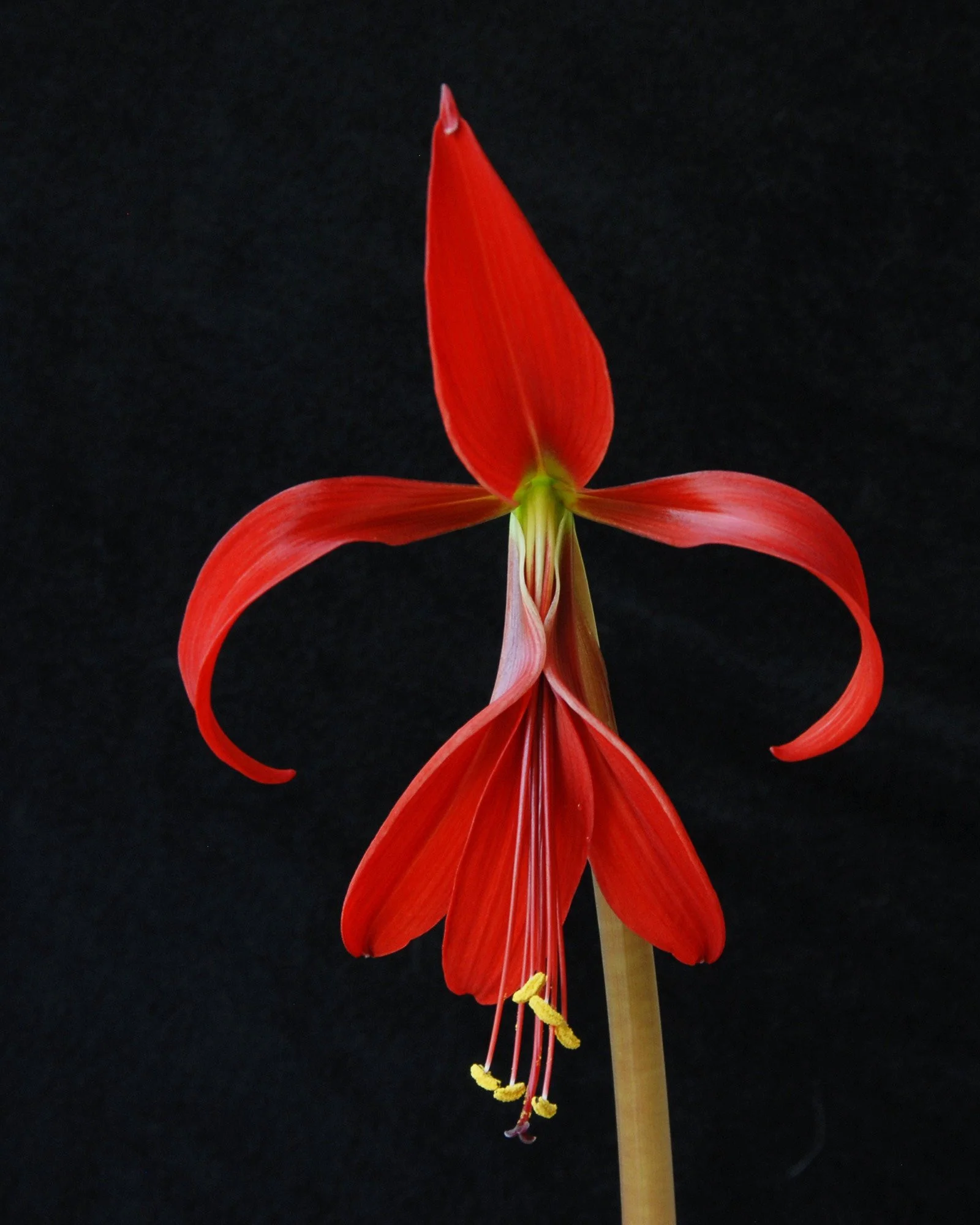
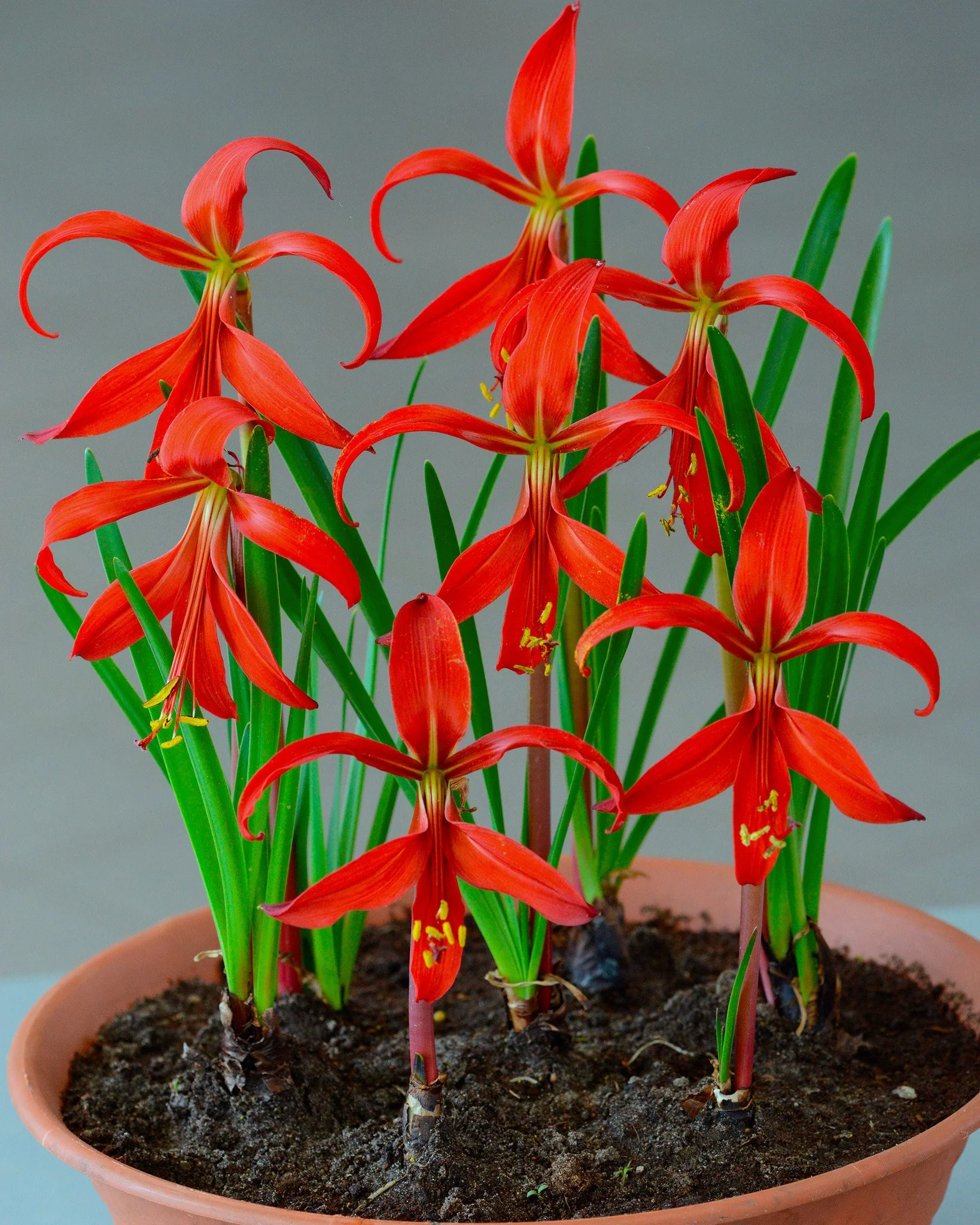
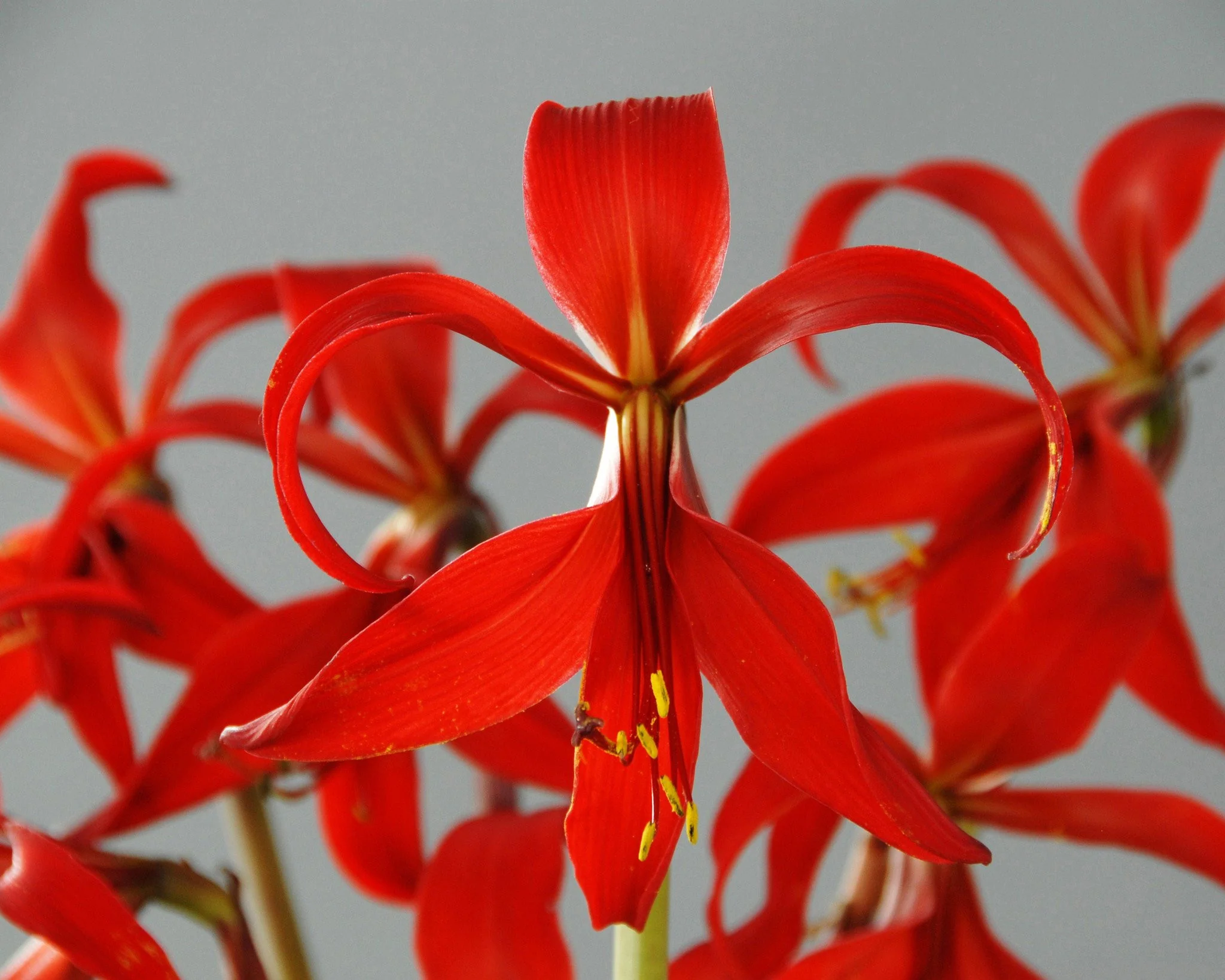
Sprekelia formosissima is a real jewel of a flower and planted en masse in your garden will give you a rich showing. Also known as the Aztec Lily or Jacobean Lily, it is part of the Amaryllis family rather than that of the lilies. Sprekelia formosissima produces brilliant red flowers that are about 13 cm or 5 inch wide, and seem to blend lilies and orchids in their design. The lower three petals are rolled together at their base, and unfold lower down to form a serving surface for downward pointing stamens, while the top three enjoy total independence. This results in an unusual two part bloom which stands aloof over its foliage on a similar way that orchids do!
Product Information
Product Information
Shipping & Returns
Shipping & Returns
Description
Sprekelia formosissima is a real jewel of a flower and planted en masse in your garden will give you a rich showing. Also known as the Aztec Lily or Jacobean Lily, it is part of the Amaryllis family rather than that of the lilies. Sprekelia formosissima produces brilliant red flowers that are about 13 cm or 5 inch wide, and seem to blend lilies and orchids in their design. The lower three petals are rolled together at their base, and unfold lower down to form a serving surface for downward pointing stamens, while the top three enjoy total independence. This results in an unusual two part bloom which stands aloof over its foliage on a similar way that orchids do!