Dahlia merckii
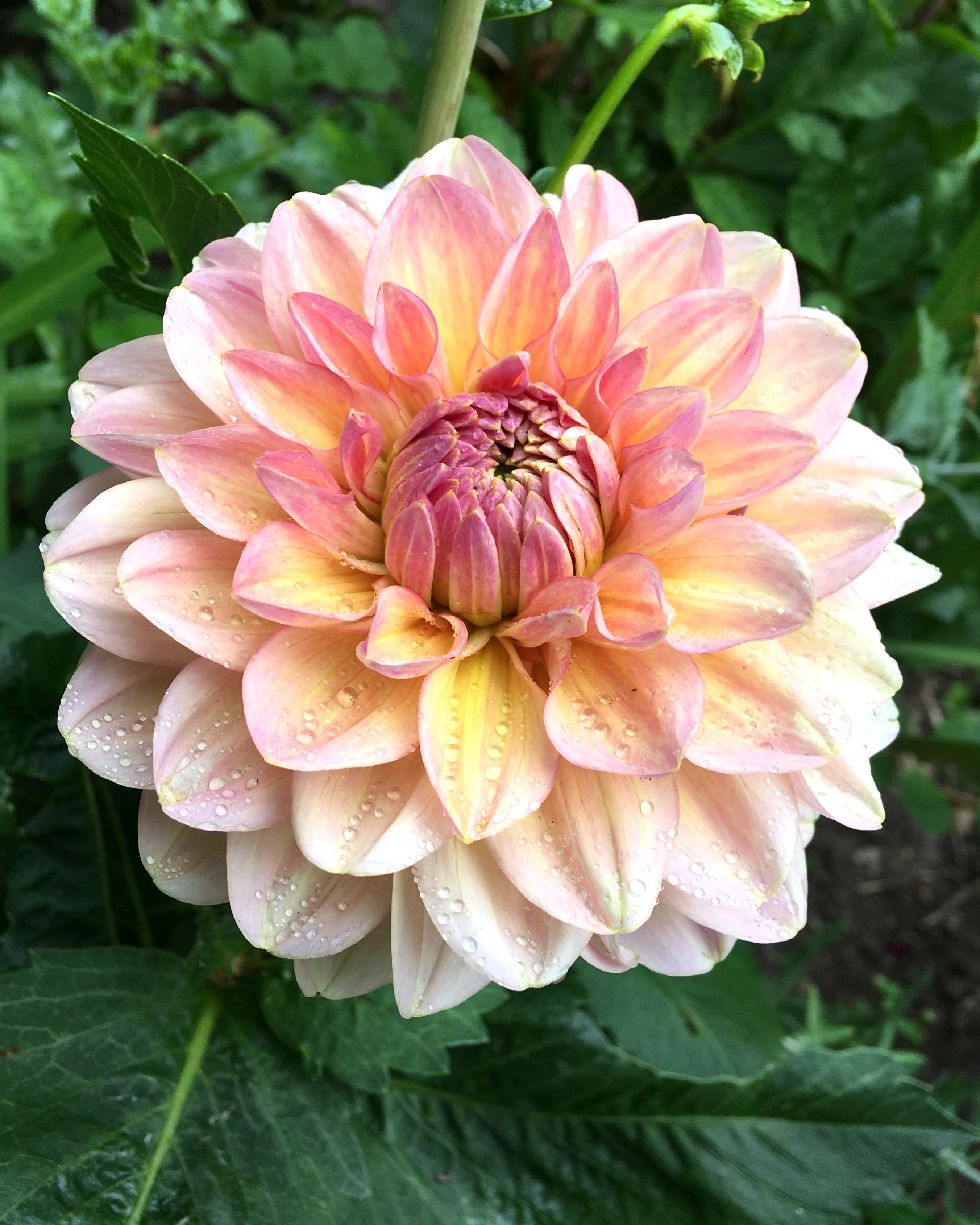
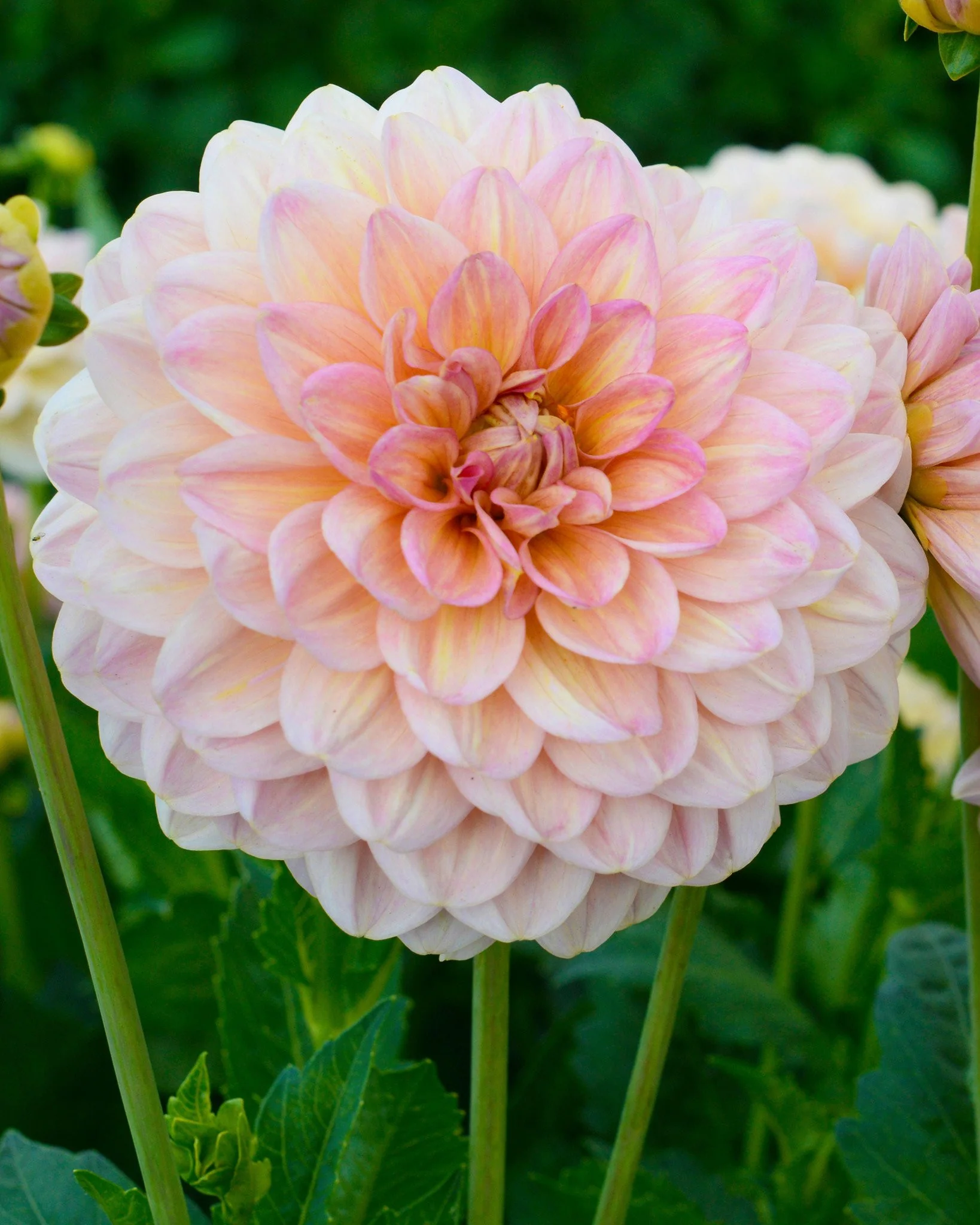
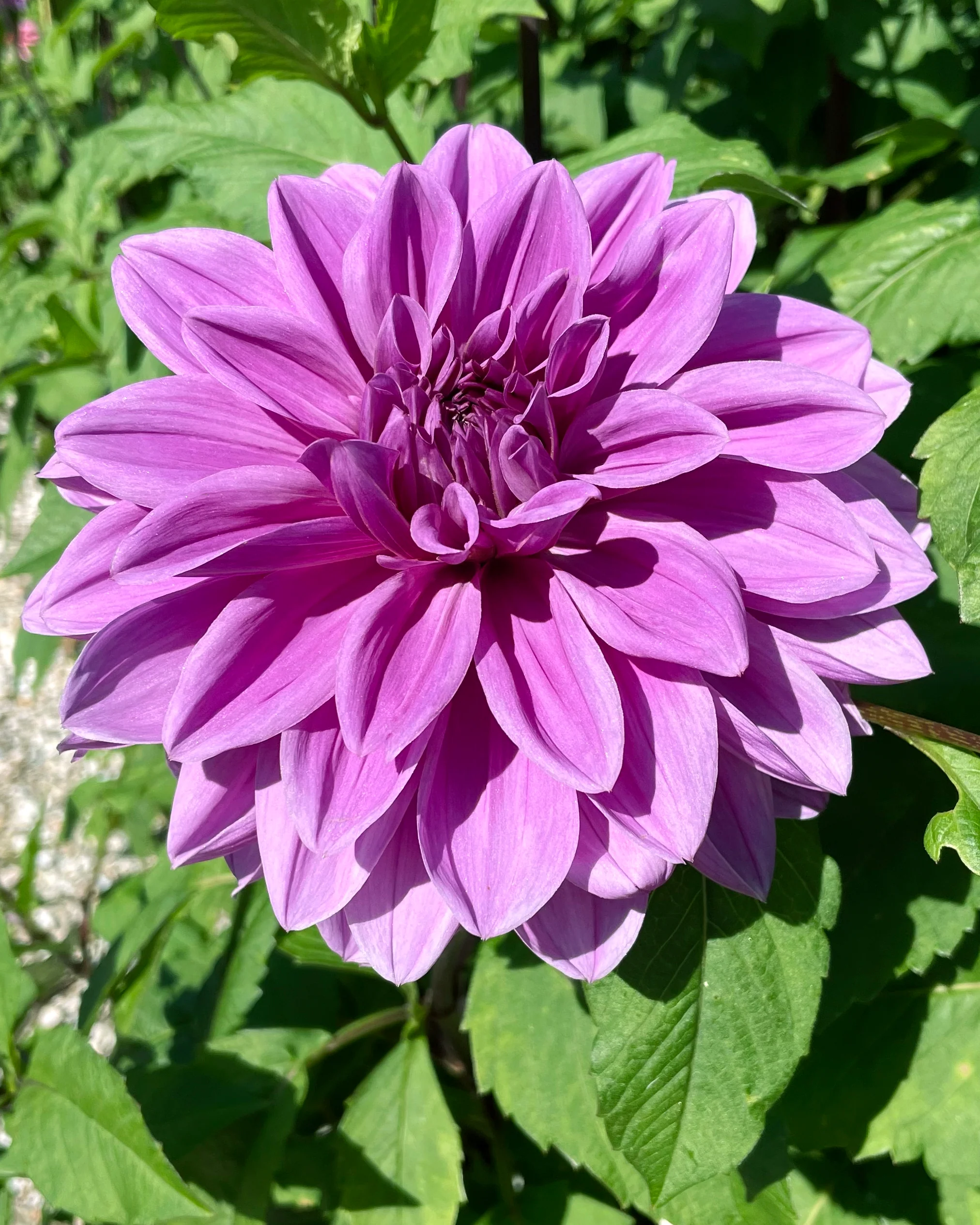
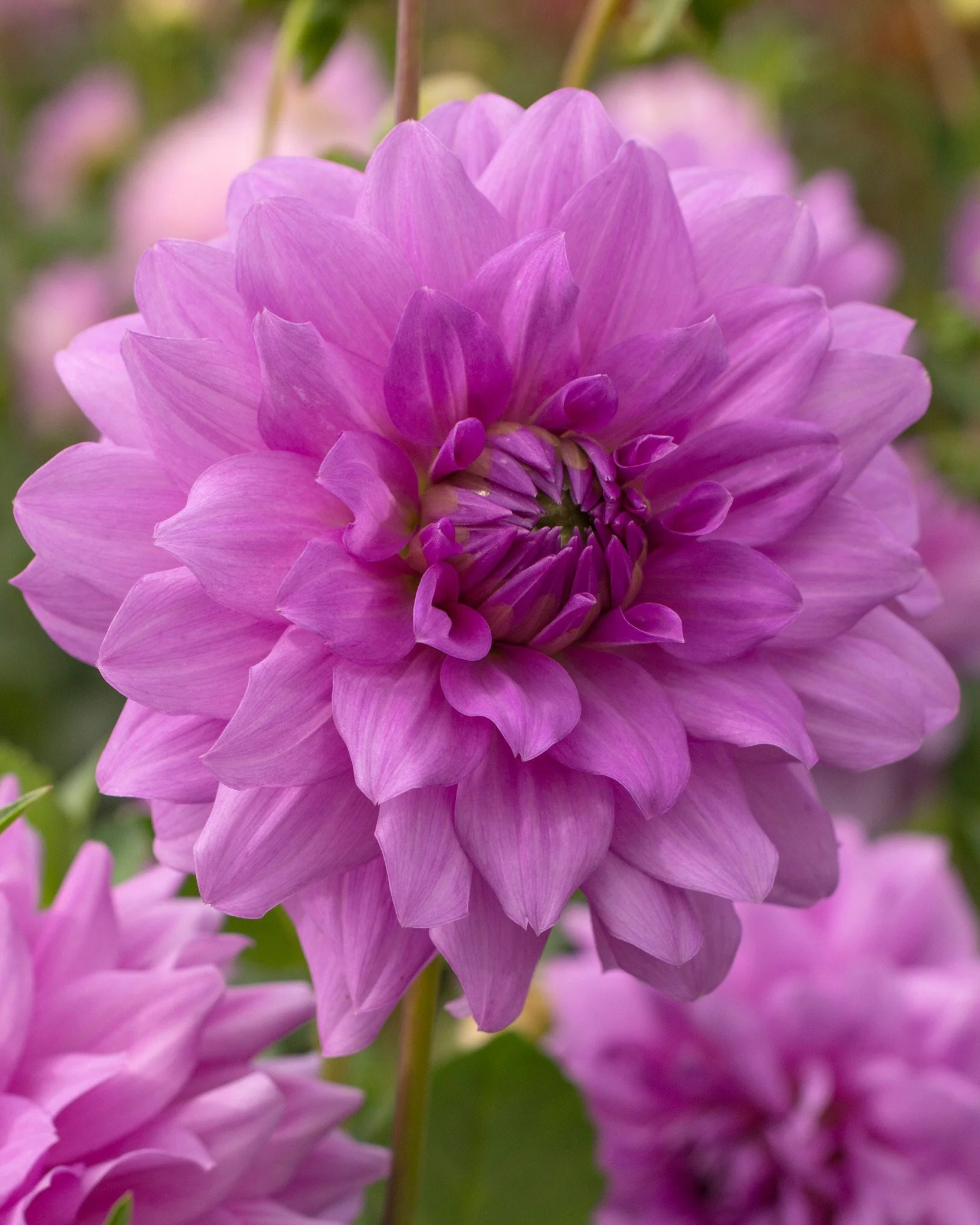
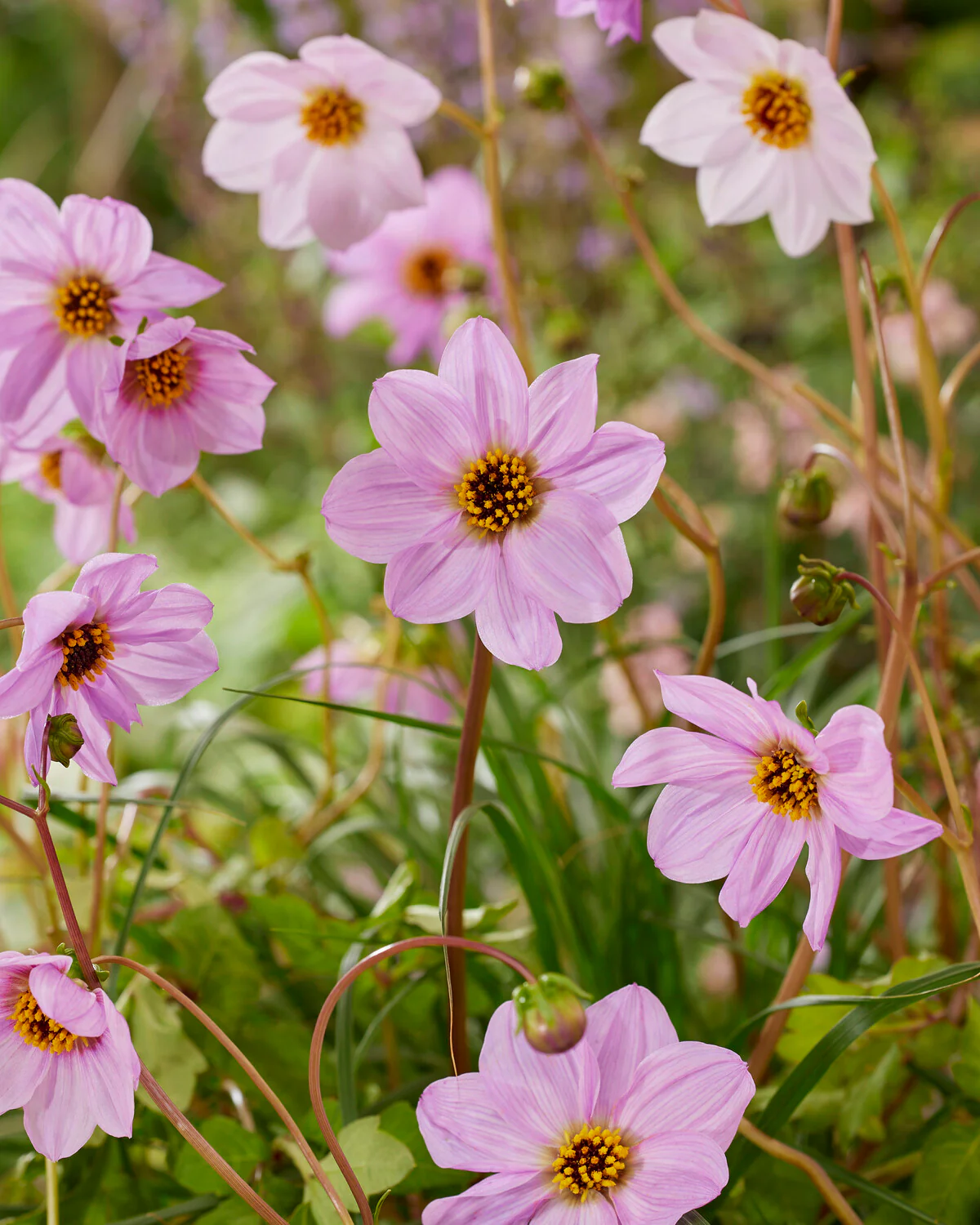
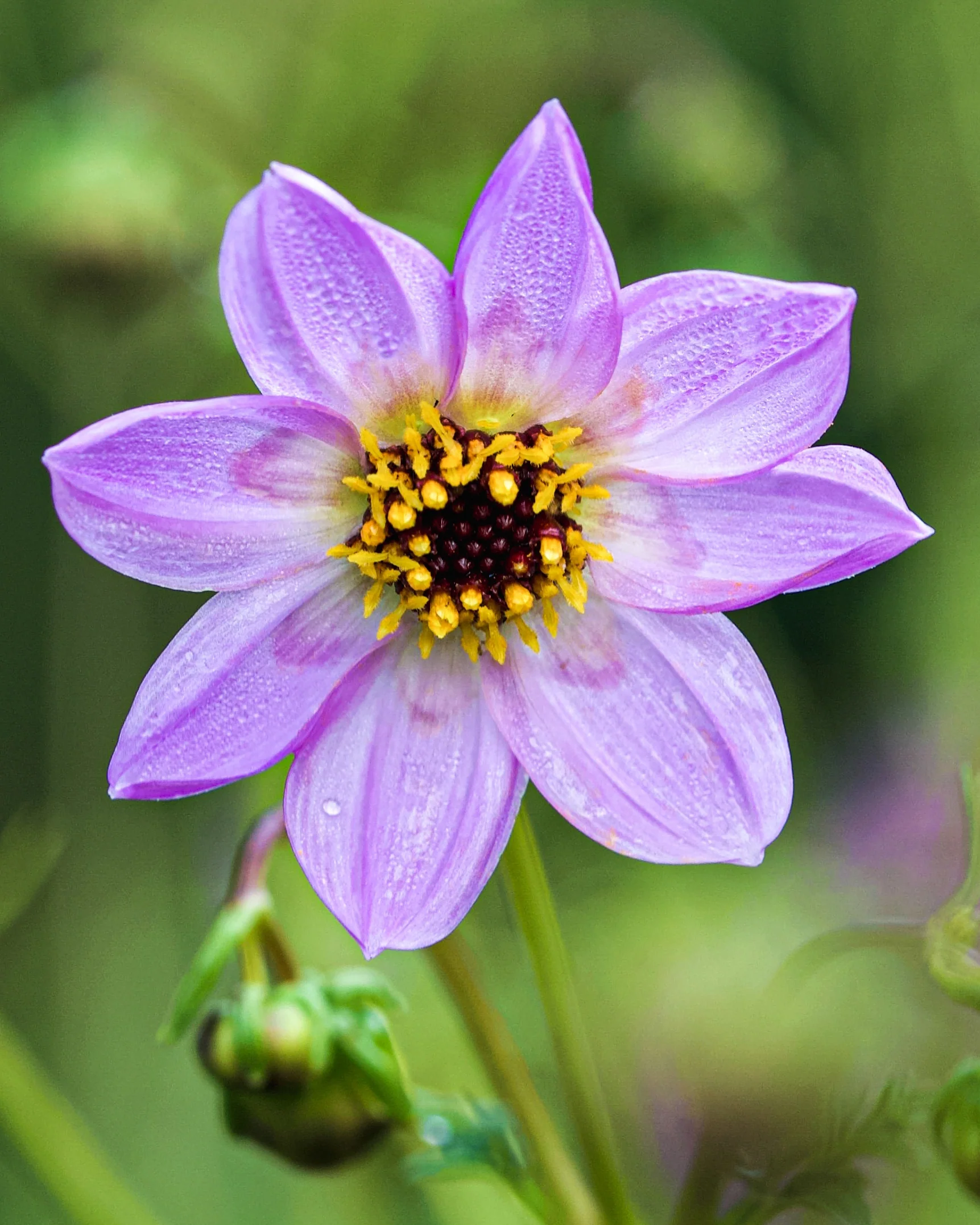
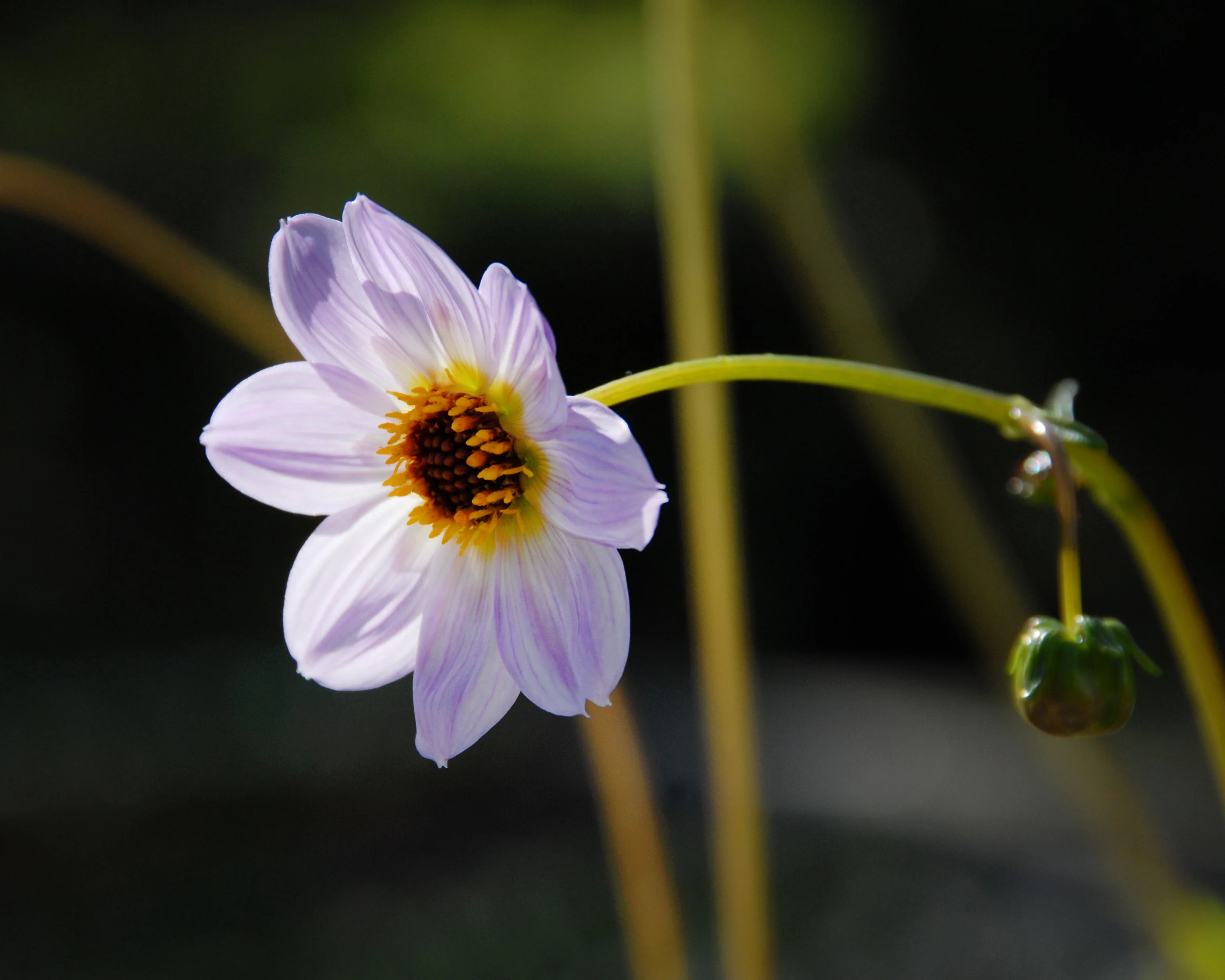
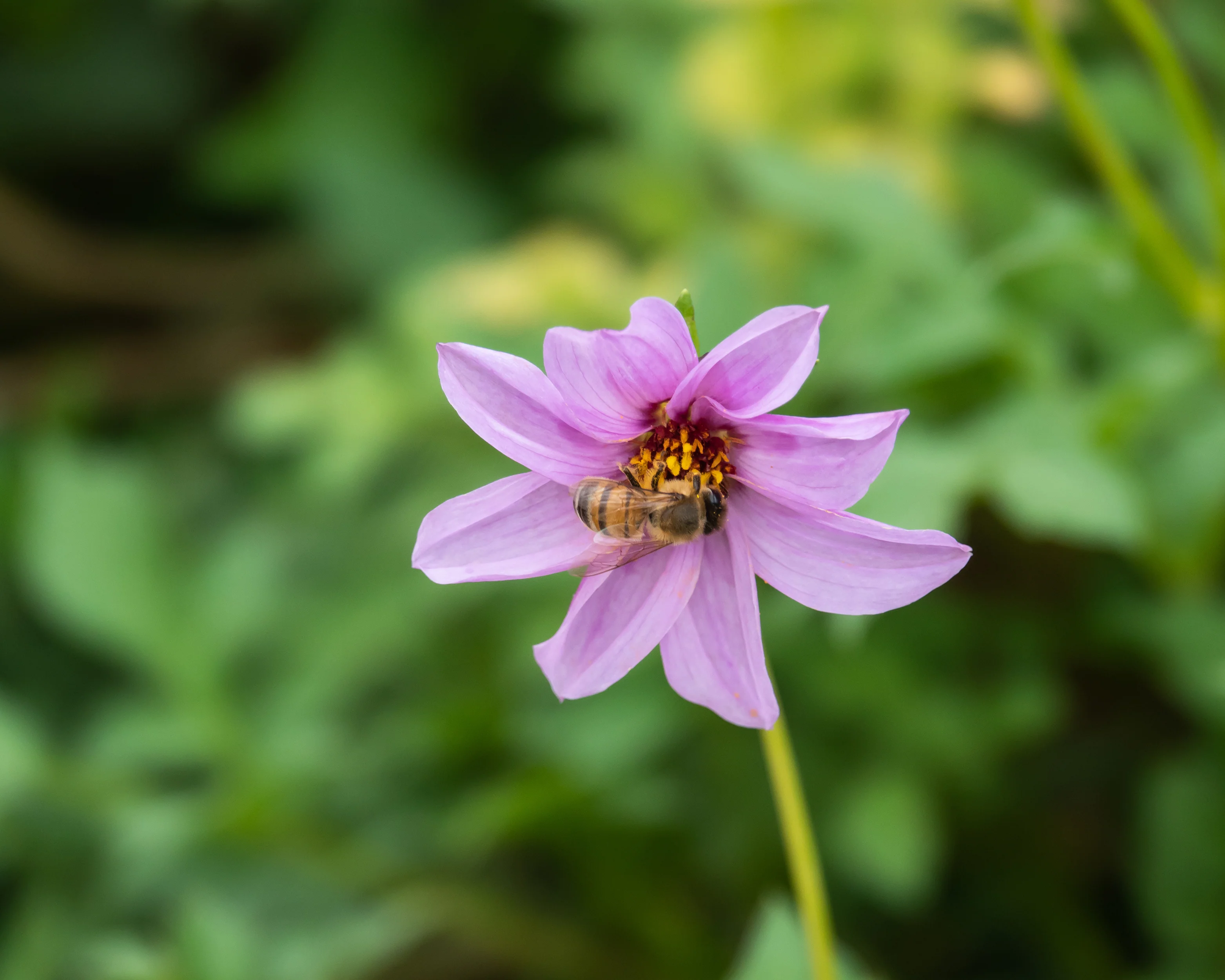
If a wafting, airy planting is your style, try this enchanting species dahlia—tall, delicate and pretty, Dahlia merckii. Its single flowers are suffused with delicate lilac, pink and soft white tones, with golden centres. They bob attractively in the breeze on wiry stems, making them perfect for looser, more naturalistic plantings. And while it looks delicate, Dahlia merckii or Merck's dahlia happens to be one of the most resilient dahlias, with many growers finding it more tolerant to winter outdoors than other dahlias. It’s also a great choice for the wildlife-friendly gardener, its simple, single flowers highly attractive to pollinators, including bees, butterflies and other crucial insect species.
Dahlia merckii will flower enthusiastically from mid-summer and into autumn, on long stems reaching to 1.2m and above. This makes it a perfect partner for autumn grasses and for tall prairie perennials such as echinacea, helenium and salvia. It can also create a beautiful meadow-like effect when planted en masse in long grass. Give Dahlia merckii plenty of room in a sunny spot, with good fertile soil that drains well. In winter, it’s safest to lift and store the tubers to protect them from freezing conditions, although often this variety survives winter with a thick mulch depending on soil type and how low temperatures drop.
More Images
Dahlia merckii
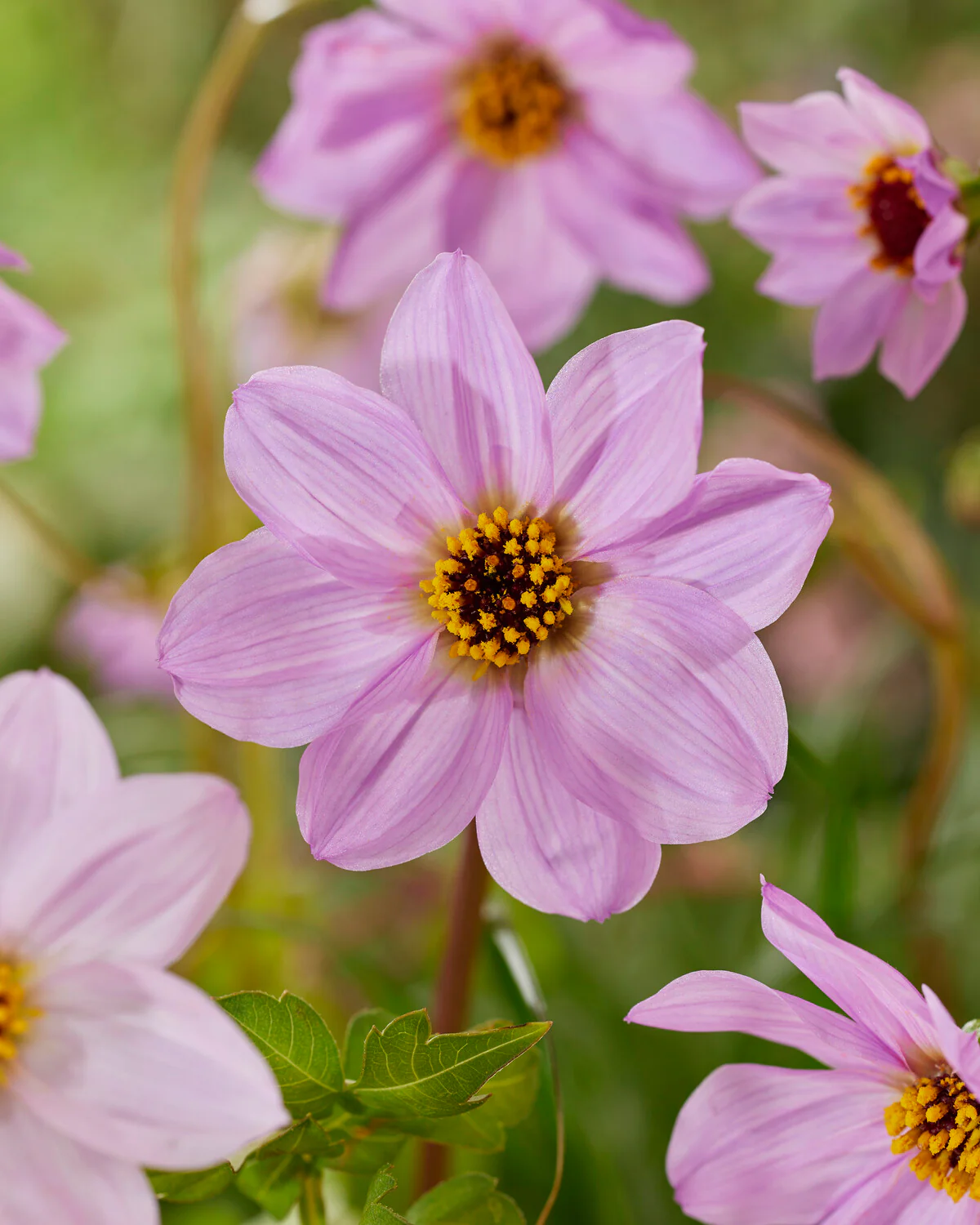
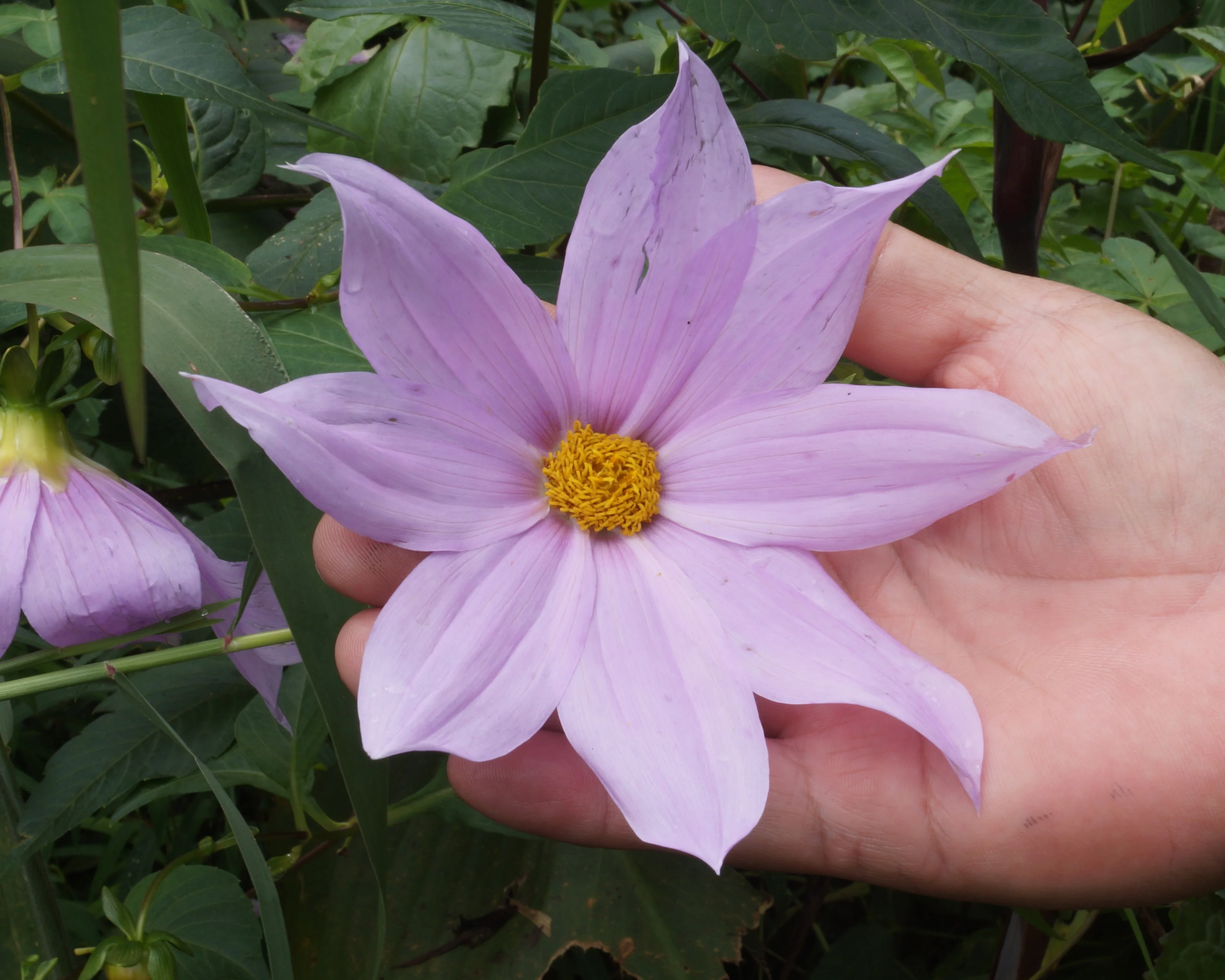
If a wafting, airy planting is your style, try this enchanting species dahlia—tall, delicate and pretty, Dahlia merckii. Its single flowers are suffused with delicate lilac, pink and soft white tones, with golden centres. They bob attractively in the breeze on wiry stems, making them perfect for looser, more naturalistic plantings. And while it looks delicate, Dahlia merckii or Merck's dahlia happens to be one of the most resilient dahlias, with many growers finding it more tolerant to winter outdoors than other dahlias. It’s also a great choice for the wildlife-friendly gardener, its simple, single flowers highly attractive to pollinators, including bees, butterflies and other crucial insect species.
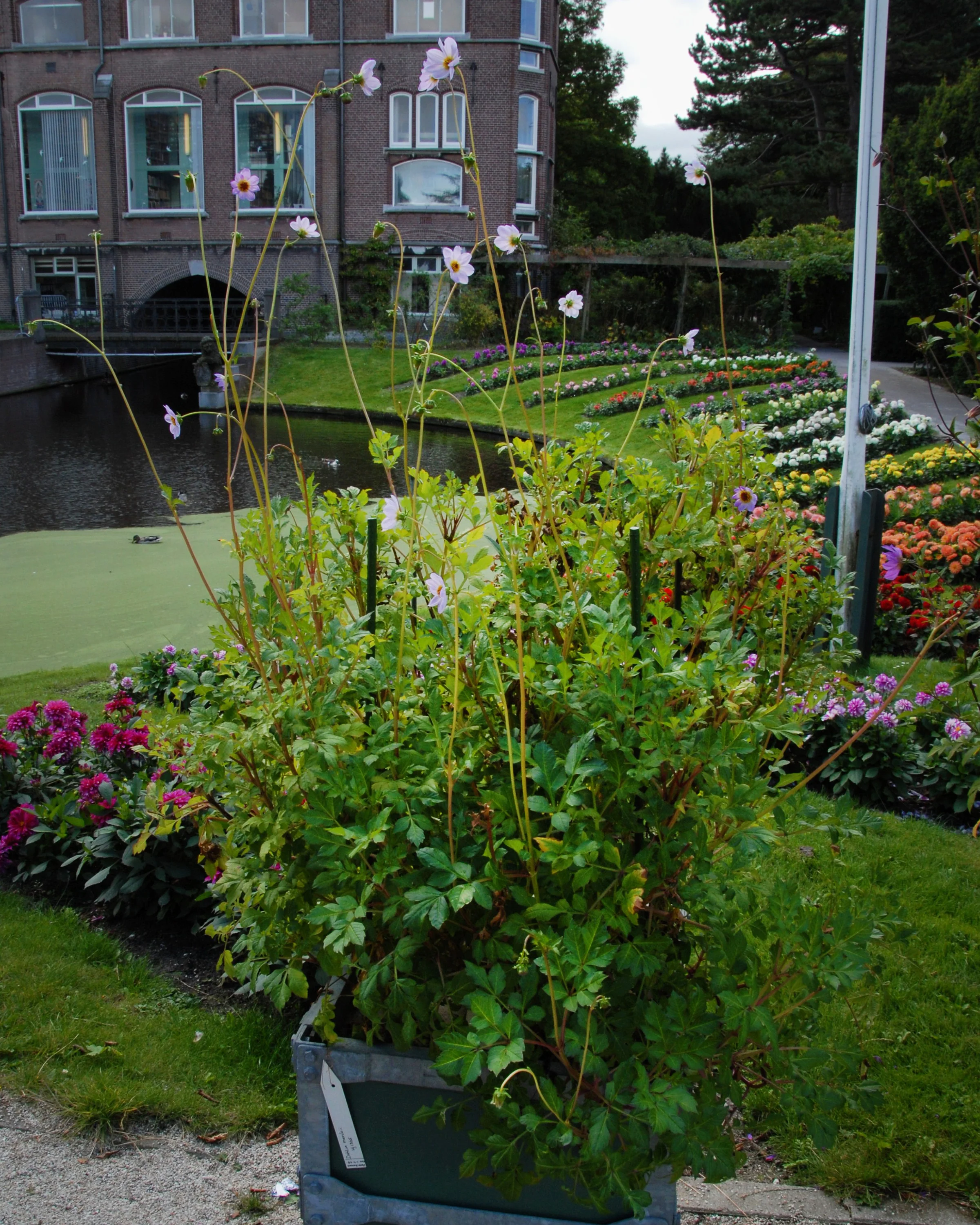
Dahlia merckii will flower enthusiastically from mid-summer and into autumn, on long stems reaching to 1.2m and above. This makes it a perfect partner for autumn grasses and for tall prairie perennials such as echinacea, helenium and salvia. It can also create a beautiful meadow-like effect when planted en masse in long grass. Give Dahlia merckii plenty of room in a sunny spot, with good fertile soil that drains well. In winter, it’s safest to lift and store the tubers to protect them from freezing conditions, although often this variety survives winter with a thick mulch depending on soil type and how low temperatures drop.
Product Information
Product Information
Shipping & Returns
Shipping & Returns
Description
If a wafting, airy planting is your style, try this enchanting species dahlia—tall, delicate and pretty, Dahlia merckii. Its single flowers are suffused with delicate lilac, pink and soft white tones, with golden centres. They bob attractively in the breeze on wiry stems, making them perfect for looser, more naturalistic plantings. And while it looks delicate, Dahlia merckii or Merck's dahlia happens to be one of the most resilient dahlias, with many growers finding it more tolerant to winter outdoors than other dahlias. It’s also a great choice for the wildlife-friendly gardener, its simple, single flowers highly attractive to pollinators, including bees, butterflies and other crucial insect species.
Dahlia merckii will flower enthusiastically from mid-summer and into autumn, on long stems reaching to 1.2m and above. This makes it a perfect partner for autumn grasses and for tall prairie perennials such as echinacea, helenium and salvia. It can also create a beautiful meadow-like effect when planted en masse in long grass. Give Dahlia merckii plenty of room in a sunny spot, with good fertile soil that drains well. In winter, it’s safest to lift and store the tubers to protect them from freezing conditions, although often this variety survives winter with a thick mulch depending on soil type and how low temperatures drop.